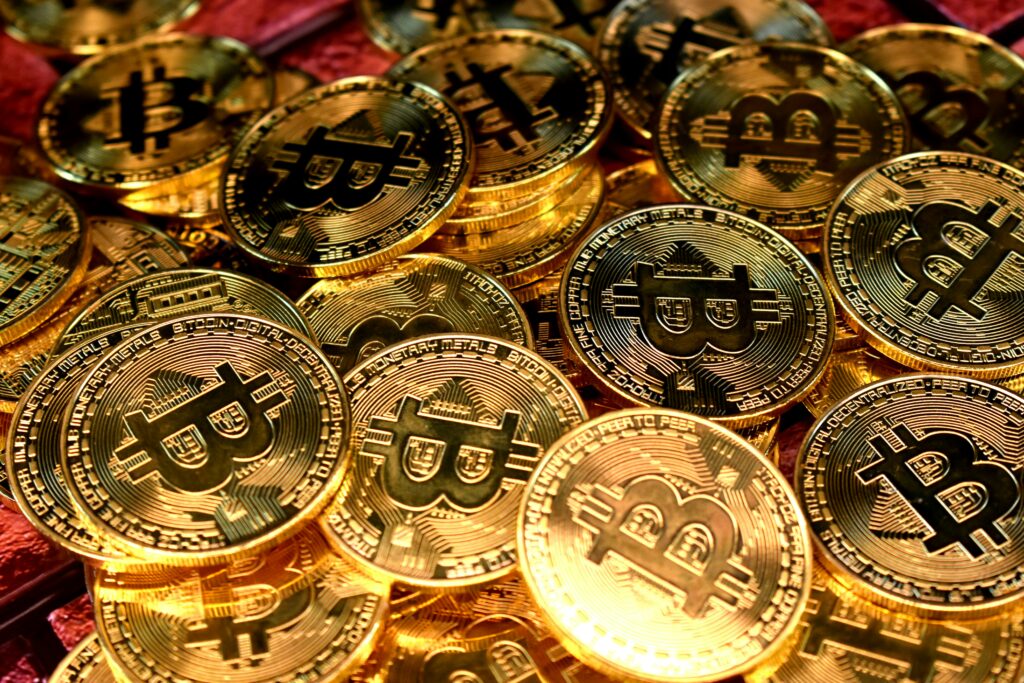
A first Bitcoin purchase can feel smaller than it is.
Someone decides to buy $100, $250, maybe $1,000. The number looks clean in their head. Then the checkout screen adds its own math: payment fees, spread, network fees, currency conversion, withdrawal fees, or a slightly worse exchange rate than expected.
None of that means the purchase is wrong. It means the first decision is not just “Do I want Bitcoin?” It is also “What will this actually cost by the time I’m done?”
That second question is where new investors often get sharper fast.
Look at the final amount, not the headline price
The price of Bitcoin gets most of the attention, but the checkout amount is what touches your bank account. A new investor might think, “I’m buying $200 of Bitcoin,” then end up receiving less than $200 worth after fees and pricing differences. That gap may be small, but it matters because it changes the starting point of the investment.
This is especially easy to miss when the process feels simple. A debit card can make a crypto purchase feel like buying shoes online. The smoother the screen, the less likely people are to pause. But the fee check is not complicated: before confirming, compare the cash you are paying with the Bitcoin value you are receiving.
A $300 order can look simple until the preview shows the trade-off between payment speed, fees, and the amount of Bitcoin received; checking that final number on Paybis before confirming keeps the decision tied to the actual cost, not the round figure you had in mind.
If the final preview shows that fees and pricing reduce the received amount by $12, your real starting cost is not abstract anymore. You can decide whether that cost is acceptable, whether another payment method is cheaper, or whether it makes more sense to wait and compare.
That kind of check also fits basic money management. Ontpinvest’s own guidance on money management starts from controlling what you have before trying to grow it. Crypto does not get an exception just because the asset is newer or the app feels modern.
Payment method matters more than people expect
A lot of new investors compare platforms but forget to compare payment methods. That is a mistake.
Cards are convenient, but convenience can come with higher fees. Bank transfers may be cheaper, but slower. PayPal or other wallet-style payments may feel familiar, but the total cost still needs to be checked before confirming. The best option is not always the fastest option, and the fastest option is not always a bad option. The point is to know what you are paying for.
This is where a small purchase can teach more than a big one. If someone buys $50 worth of Bitcoin and pays $4 in total costs, that fee percentage is high. If they buy $500 and pay $7, the percentage is very different. The dollar amount matters, but the percentage tells you how much drag you are accepting before the investment even has a chance to move.
The same logic applies to any beginner investment decision. Ontpinvest’s article on what investment you can do with $1,000 frames investing around risk, fit, and realistic expectations. A fee check is part of that same discipline. It keeps the purchase from becoming an impulse dressed up as a plan.
There is also a behavioral side here. When people are excited to make their first crypto purchase, they often focus on getting it done. They want the account created, the ID check finished, the payment approved, and the Bitcoin in the wallet. That urgency is understandable, but it is not a great financial habit. A 60-second pause at the preview screen can save more money than switching apps later.
Separate normal fees from red flags
Fees are not automatically suspicious. Platforms, payment processors, and blockchain networks all have costs. A clear fee shown before purchase is very different from a vague promise, a rushed message, or a stranger telling you where to send money.
The safer mindset is simple: normal costs should be visible before you commit. If the cost is unclear, ask why. If the process involves pressure, secrecy, or promises of easy profit, step back.
The FTC’s consumer advice on cryptocurrency scams is worth reading because many crypto losses do not start with a bad investment thesis. They start with someone being pushed into sending money quickly. The warning signs are often social before they are technical: a message from someone you do not know, a fake investment opportunity, a request to move funds to a specific wallet, or a claim that you need to pay more to unlock your own money.
A fee check will not protect someone from every bad decision, but it does create friction. Friction is useful when money is involved. It gives the investor a moment to ask, “Who is asking me to do this? What am I paying? Where is the money going? Can I explain this purchase without repeating someone else’s pitch?”
The SEC’s Investor.gov bulletins on crypto and speculative investments also remind investors that digital assets can carry significant risk and may not offer the same protections people expect from traditional financial products. That does not mean every crypto purchase is reckless. It means the buyer should not treat a clean app interface as a substitute for judgment.
New investors do not need to become blockchain experts before buying a small amount. They do need to understand the difference between a transparent purchase and a pressured one. If the costs are visible, the payment method is yours, the platform is one you chose yourself, and no one is promising a guaranteed return, the decision is at least being made on clearer ground.
Use a small checklist before clicking buy
A good fee check does not need a spreadsheet. It can be a short routine.
Before buying, write down the amount you plan to spend. Then look at the preview screen and compare it with the amount of Bitcoin you are set to receive. Check the fee line, the exchange rate, the payment method, and any notes about delivery or withdrawal costs. If the numbers move after you change the payment method, pay attention.
For example, imagine someone has $250 set aside. They try a card purchase first and see that the total cost is higher than expected. Then they test a bank transfer option and notice the fee is lower, but the timing is slower. That is not a complicated analysis. It is a normal trade-off: pay more for speed, or wait and keep more of the money invested.
The real mistake is pretending those trade-offs are invisible.
This also helps with position sizing. If a beginner only has a small emergency cushion, buying Bitcoin may not be the next best move at all. Ontpinvest’s piece on what financial planning is about makes the broader point that investing is only one part of a financial life. Cash flow, debt, savings, insurance, and goals still matter.
A person with credit card debt at a high interest rate should not ignore that reality because Bitcoin feels exciting. Someone with no emergency fund should think carefully before putting spare cash into a volatile asset. The fee check is useful, but it sits inside a bigger question: does this purchase fit the rest of your money situation?
A simple pre-buy checklist might look like this:
- How much cash am I actually spending?
- How much Bitcoin will I receive after costs?
- Which payment method am I using, and why?
- Are the fees visible before I confirm?
- Would I still make this purchase if the price dropped next week?
- Is this money separate from bills, debt payments, and emergency savings?
That last question matters most. Fees are measurable. Regret is messier.
Wrap-up takeaway
The small fee check is not about making Bitcoin seem complicated. It is about slowing the purchase down just enough to see the real cost. New investors make better decisions when they compare the cash leaving their account with the asset they are actually receiving.
 Andreas Worthingtonester has opinions about market trends and analysis. Informed ones, backed by real experience — but opinions nonetheless, and they doesn't try to disguise them as neutral observation. They thinks a lot of what gets written about Market Trends and Analysis, Expert Analysis, Personal Finance Tips is either too cautious to be useful or too confident to be credible, and they's work tends to sit deliberately in the space between those two failure modes.
Reading Andreas's pieces, you get the sense of someone who has thought about this stuff seriously and arrived at actual conclusions — not just collected a range of perspectives and declined to pick one. That can be uncomfortable when they lands on something you disagree with. It's also why the writing is worth engaging with. Andreas isn't interested in telling people what they want to hear. They is interested in telling them what they actually thinks, with enough reasoning behind it that you can push back if you want to. That kind of intellectual honesty is rarer than it should be.
What Andreas is best at is the moment when a familiar topic reveals something unexpected — when the conventional wisdom turns out to be slightly off, or when a small shift in framing changes everything. They finds those moments consistently, which is why they's work tends to generate real discussion rather than just passive agreement.
Andreas Worthingtonester has opinions about market trends and analysis. Informed ones, backed by real experience — but opinions nonetheless, and they doesn't try to disguise them as neutral observation. They thinks a lot of what gets written about Market Trends and Analysis, Expert Analysis, Personal Finance Tips is either too cautious to be useful or too confident to be credible, and they's work tends to sit deliberately in the space between those two failure modes.
Reading Andreas's pieces, you get the sense of someone who has thought about this stuff seriously and arrived at actual conclusions — not just collected a range of perspectives and declined to pick one. That can be uncomfortable when they lands on something you disagree with. It's also why the writing is worth engaging with. Andreas isn't interested in telling people what they want to hear. They is interested in telling them what they actually thinks, with enough reasoning behind it that you can push back if you want to. That kind of intellectual honesty is rarer than it should be.
What Andreas is best at is the moment when a familiar topic reveals something unexpected — when the conventional wisdom turns out to be slightly off, or when a small shift in framing changes everything. They finds those moments consistently, which is why they's work tends to generate real discussion rather than just passive agreement.