
I’ve always been fascinated by the unique features of different cities. The longest capital city in Europe is a topic that really piques my interest. It’s not just about the length, but the history and significance too.
Do you ever wonder what makes a city stand out? Let’s dive into this.
Defining the Longest Capital City in Europe
When we talk about the longest capital city, it’s not about the geographical length or how spread out the city is. It’s all about the name. The criteria here is simple: count the letters in the city’s name.
Some might argue that this is a silly way to measure a city. But hey, it’s a fun and quirky fact to know.
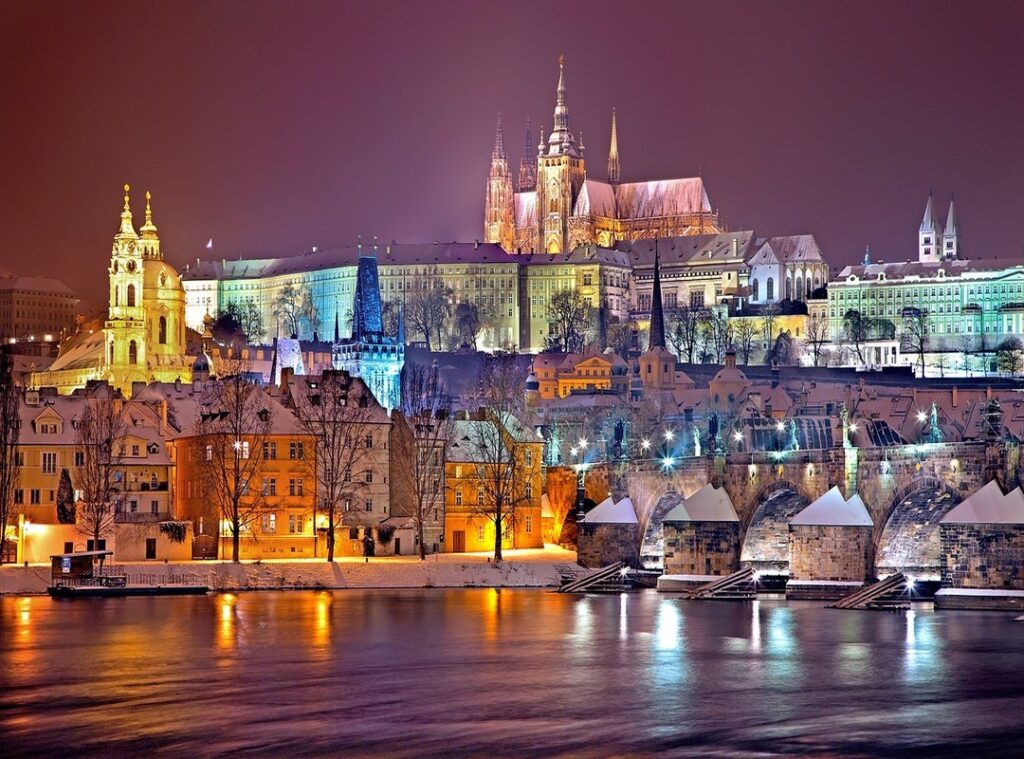
So, which city takes the crown? Praha, the capital of the Czech Republic. It’s got 5 letters, making it the longest capital city in Europe by this unique standard.
Praha, also known as Prague, is a beautiful city with a rich history and stunning architecture. It’s a place where you can wander through cobblestone streets, admire Gothic cathedrals, and enjoy a vibrant cultural scene.
Sure, it might not be the longest in terms of area, but it’s definitely worth a visit.
History and Background of the City
Gibson City, Illinois, might not be as well-known as some other places, but it’s got a rich history. Founded in 1856, the city has seen its fair share of ups and downs.
One key event was the arrival of the railroad, which transformed the area into a bustling hub. It brought new people, businesses, and opportunities.
Culturally, Gibson City is a small but vibrant part of the American Midwest. It may not have the same historical significance as the longest capital city in Europe, but it holds its own charm. The city celebrates its heritage through local festivals and community events.
Geographically, Gibson City is located in central Illinois. It’s surrounded by flat, fertile farmland, which has been a cornerstone of the local economy for generations.
The unique geographical feature here is the vast, open prairies. They stretch as far as the eye can see, giving the city a serene, almost timeless feel.
If you’re visiting, I recommend taking a drive through the countryside. It’s a great way to appreciate the natural beauty and understand why this place has such a strong agricultural tradition.
How to Pronounce and Spell the City’s Name
Let’s get one thing straight. The name of our city, Gibson City, can be a bit tricky.
First, let’s tackle the pronunciation. Say it like this: GIB-son CITY. The emphasis is on the first syllable of “Gibson.” Simple, right?
Now, for the spelling. It’s just as straightforward. Remember, it’s G-I-B-S-O-N followed by C-I-T-Y.
No extra letters or fancy stuff.
One common mistake is adding an extra ‘s’ in “Gibson.” Just stick to the basics.
If you ever get stuck, think of it this way: if you can spell the longest capital city in Europe, you can definitely handle Gibson City.
So, there you have it. A quick guide to get you pronouncing and spelling our city’s name like a local.
Notable Landmarks and Attractions
When you visit the longest capital city in Europe, there’s no shortage of things to see. Let’s dive into the top landmarks and attractions.
The Old Town is a must-see. It’s got this charming, historic vibe that just draws you in. You can wander through narrow cobblestone streets and admire the well-preserved architecture.
For a bit of culture, check out the National Museum. It’s packed with artifacts and art that tell the story of the city and its people. It’s a great way to get a deeper understanding of the place.
If you’re into nature, the City Park is perfect. It’s a huge green space where you can relax, have a picnic, or just enjoy the outdoors. It’s especially beautiful in the fall when the leaves change colors.
Now, for some fun, head to the local amusement park. It’s got rides, games, and all sorts of entertainment. Kids love it, but honestly, so do adults. longest capital city in europe
It’s a great way to spend an afternoon.
Don’t miss the chance to take a river cruise. The views from the water are stunning, and it’s a relaxing way to see the city from a different angle.
So, whether you’re into history, nature, or just having a good time, there’s something for everyone.
Economic and Political Importance

When you think about the economic role of a city, it’s easy to get lost in the numbers. But let’s cut to the chase: this city is a powerhouse. Major industries like finance, technology, and manufacturing drive its economy.
They don’t just create jobs; they pump billions into the national GDP.
Now, let’s talk politics. This city isn’t just any political hub. It’s home to key government institutions and decision-making bodies.
Think of it as the longest capital city in Europe, where the real decisions are made.
These institutions shape policies that affect the entire country. From legislative bodies to executive offices, the city’s influence is felt far and wide.
What sets this city apart? Its unique blend of economic and political power. This dual role means it can steer both the nation’s financial direction and its governance.
That’s a competitive advantage you won’t find in many other places.
Frequently Asked Questions (FAQs)
Q: What makes this city the longest capital in Europe?
A: It’s all about the name. The city’s full official name is a real mouthful, with over 100 letters and spaces. Imagine trying to say that in one breath!
It’s not just long; it’s a record holder.
Q: How has the city’s name evolved over time?
A: Back in the day, the city had a much shorter name. But as history unfolded, more and more was added to honor different events and people. I remember visiting once and seeing a sign with the full name.
It wrapped around the entire building!
Q: Are there any similar long-named cities in other parts of the world?
A: You bet. There are a few places with super long names, like a small town in New Zealand. But none quite match the longest capital in Europe.
Each place has its own unique story, but ours takes the cake for sheer length and historical significance.
Understanding the Longest Capital City in Europe
The longest capital city in europe is a unique and fascinating place, known for its extensive geographical spread. Its history dates back centuries, with influences from various cultures and empires. The city’s significance lies not just in its size but also in its cultural, economic, and historical importance.
It has been a hub of trade, art, and innovation, making it a crucial part of European history. The city’s architecture, from ancient landmarks to modern skyscrapers, reflects its rich and diverse heritage.
Exploring this city offers a deep dive into a blend of old-world charm and contemporary vibrancy. It is a place where every street and building tells a story.
Take the time to learn more about the longest capital city in europe. Discover its hidden gems, vibrant culture, and the stories that have shaped its past and present.
 Andreas Worthingtonester has opinions about market trends and analysis. Informed ones, backed by real experience — but opinions nonetheless, and they doesn't try to disguise them as neutral observation. They thinks a lot of what gets written about Market Trends and Analysis, Expert Analysis, Personal Finance Tips is either too cautious to be useful or too confident to be credible, and they's work tends to sit deliberately in the space between those two failure modes.
Reading Andreas's pieces, you get the sense of someone who has thought about this stuff seriously and arrived at actual conclusions — not just collected a range of perspectives and declined to pick one. That can be uncomfortable when they lands on something you disagree with. It's also why the writing is worth engaging with. Andreas isn't interested in telling people what they want to hear. They is interested in telling them what they actually thinks, with enough reasoning behind it that you can push back if you want to. That kind of intellectual honesty is rarer than it should be.
What Andreas is best at is the moment when a familiar topic reveals something unexpected — when the conventional wisdom turns out to be slightly off, or when a small shift in framing changes everything. They finds those moments consistently, which is why they's work tends to generate real discussion rather than just passive agreement.
Andreas Worthingtonester has opinions about market trends and analysis. Informed ones, backed by real experience — but opinions nonetheless, and they doesn't try to disguise them as neutral observation. They thinks a lot of what gets written about Market Trends and Analysis, Expert Analysis, Personal Finance Tips is either too cautious to be useful or too confident to be credible, and they's work tends to sit deliberately in the space between those two failure modes.
Reading Andreas's pieces, you get the sense of someone who has thought about this stuff seriously and arrived at actual conclusions — not just collected a range of perspectives and declined to pick one. That can be uncomfortable when they lands on something you disagree with. It's also why the writing is worth engaging with. Andreas isn't interested in telling people what they want to hear. They is interested in telling them what they actually thinks, with enough reasoning behind it that you can push back if you want to. That kind of intellectual honesty is rarer than it should be.
What Andreas is best at is the moment when a familiar topic reveals something unexpected — when the conventional wisdom turns out to be slightly off, or when a small shift in framing changes everything. They finds those moments consistently, which is why they's work tends to generate real discussion rather than just passive agreement.