

When it comes to understanding the terms ruje and ruge, a lot of people get confused. It’s not surprising, really. These words can be tricky, and using them incorrectly can lead to some pretty awkward misunderstandings.
I’ve been there, and I know how frustrating it can be.
So, let’s clear things up. In this article, I’ll break down what ruje and ruge mean, and how you can use them in different situations. No fluff, just straightforward explanations and practical examples.
Trust me, by the end, you’ll feel a lot more confident.
Are you ready to finally get a grip on these terms? Let’s dive in.
Defining ‘Ruje’ and ‘Ruge’
Let’s start with ‘ruje.’ It’s a term that might sound unfamiliar, but it has a specific meaning. ‘Ruje’ comes from a regional dialect and is used to describe a sudden, intense burst of energy or enthusiasm. You might hear someone say, “He had a ruje of inspiration and wrote the whole book in one night.”
Now, ‘ruge’ is a different story. ‘Ruge’ is more commonly used in certain communities to mean a strong, deep red color. Think of the rich, vibrant red you see in a ripe strawberry.
You might hear, “The dress was a beautiful ruge, perfect for the summer party.”
- Origin of ‘ruje’: Regional dialect, often associated with a burst of energy.
- Common usage of ‘ruje’: Describing a sudden, intense enthusiasm or effort.
- Origin of ‘ruge’: Specific to certain communities, referring to a deep red color.
- Common usage of ‘ruge’: Describing the color of objects, like clothing or decor.
To avoid confusion, here’s a quick comparison:
- Ruje is about energy and enthusiasm.
- Ruge is about color, specifically a deep, rich red.
So, next time you come across these terms, you’ll know exactly what they mean. No more mixing up ruje o ruge!
How to Use ‘Ruje’ and ‘Ruge’ Correctly
When it comes to using ‘ruje’ and ‘ruge,’ context is key. Let’s break it down.
‘Ruje’ is typically used to describe a strong, sudden movement or action. For example, “He ruje into the room, startling everyone.” Here, ‘ruje’ emphasizes the abrupt and forceful entry.
On the other hand, ‘ruge’ is more about a continuous, steady action. Think of it as a sustained effort. For instance, “She ruge through the crowd, determined to reach the front.” In this case, ‘ruge’ highlights her persistent and unrelenting movement.
Common mistakes often arise when people confuse these two words. Some might use ‘ruje’ for a prolonged action, which doesn’t quite fit. Similarly, using ‘ruge’ for a quick, sudden action can also be incorrect.
To avoid these errors, remember: ‘ruje’ for sudden, ‘ruge’ for steady.
Understanding the difference can help you express yourself more clearly and accurately. So, next time you’re writing or speaking, take a moment to choose the right word. It can make all the difference in how your message is received.
Examples and Contexts
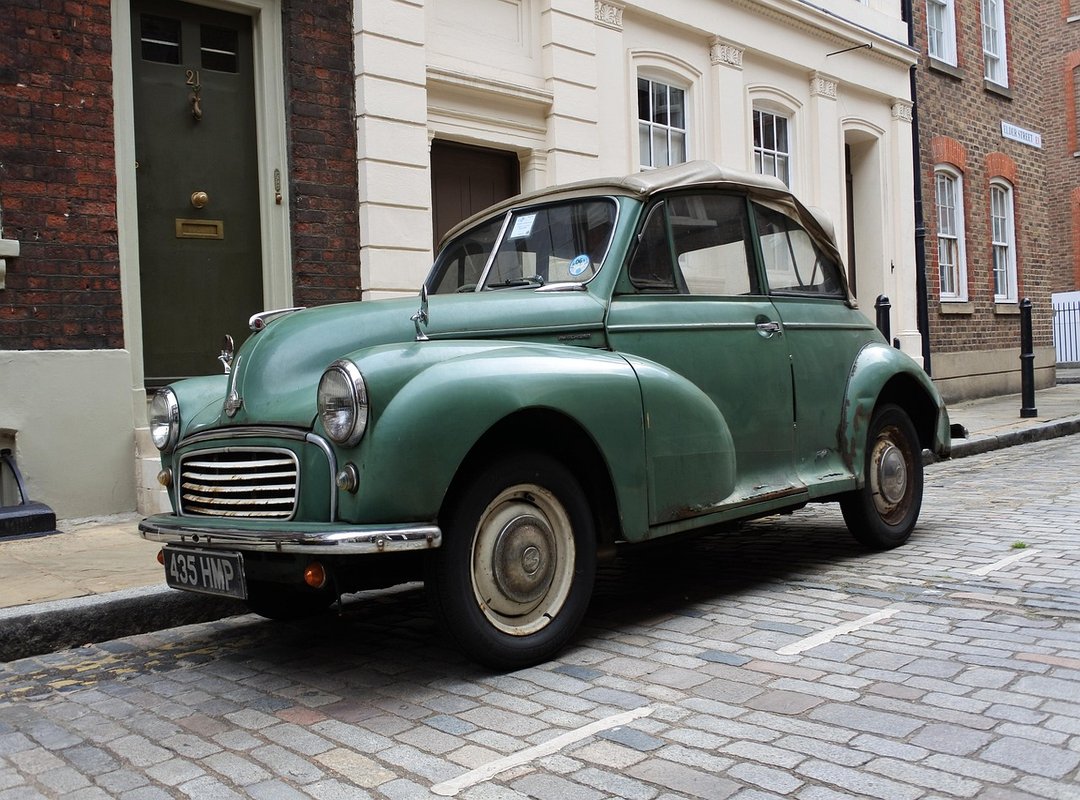
Let’s dive into some real-world examples. Imagine you’re at a market in a Spanish-speaking country, and you see a sign that says ruje. It’s likely a fabric store, and ruje is used to describe the rustling sound of the fabrics.
In another scenario, you might hear ruge in a conversation about someone blushing. For instance, if someone is embarrassed, you might say, “Se le ruge la cara.” This means their face is turning red.
Cultural context matters too. In some regions, these terms might be more common in everyday language, while in others, they could be more formal or even poetic. find out more
Practical applications? Use ruje when you want to describe a soft, rustling sound. Ruge, on the other hand, is perfect for describing a blushing or reddening face.
So, next time you’re in a situation where you need to describe these sensations, you’ll know exactly which word to use. And if you ever find yourself unsure, just think about the context and the specific sound or color change you’re trying to convey.
Frequently Asked Questions (FAQs)
What is the origin of ‘ruje’ and ‘ruge’?
These terms have roots in Spanish. Ruje comes from the verb rujar, which means to rustle or make a soft, crackling sound. Ruge is from rugir, meaning to roar.
Are ‘ruje’ and ‘ruge’ used interchangeably in any context?
No, they are not. Some might argue that in casual conversation, people might mix them up. But in formal or precise language, they have distinct meanings.
Ruje is for softer, more subtle sounds, while ruge is for loud, powerful noises.
How can I remember the difference between ‘ruje’ and ‘ruge’?
Think of it this way: ruje is like the sound of leaves rustling in the wind—soft and gentle. Ruge is like a lion’s roar—loud and commanding.
Some say mnemonic devices are overrated, and but honestly, they work. Try associating ruje with rustle and ruge with roar .
It helps.
Are there any similar terms in other languages?
Yes, many languages have words for these sounds. In English, you might use rustle for ruje and roar for ruge. French has bruire for ruje and rugir for ruge.
Languages often have nuanced ways to describe sounds, so it’s worth exploring. Just be careful not to confuse ruje o ruge with their counterparts in other languages.
Mastering the Use on ‘Ruje’ and ‘Ruge’
Ruje and ruge are terms that, while similar, have distinct uses. Understanding their specific applications is crucial. Ruje is typically used in one context, while ruge applies to another.
Misusing these terms can lead to misunderstandings. It’s important to grasp the nuances between them.
To solidify your understanding, practice using ruje o ruge in different sentences. This hands-on approach will help you become more comfortable and accurate.
 There is a specific skill involved in explaining something clearly — one that is completely separate from actually knowing the subject. Rodney Singherton has both. They has spent years working with market trends and analysis in a hands-on capacity, and an equal amount of time figuring out how to translate that experience into writing that people with different backgrounds can actually absorb and use.
Rodney tends to approach complex subjects — Market Trends and Analysis, Investment Strategies and Insights, Financial Planning Resources being good examples — by starting with what the reader already knows, then building outward from there rather than dropping them in the deep end. It sounds like a small thing. In practice it makes a significant difference in whether someone finishes the article or abandons it halfway through. They is also good at knowing when to stop — a surprisingly underrated skill. Some writers bury useful information under so many caveats and qualifications that the point disappears. Rodney knows where the point is and gets there without too many detours.
The practical effect of all this is that people who read Rodney's work tend to come away actually capable of doing something with it. Not just vaguely informed — actually capable. For a writer working in market trends and analysis, that is probably the best possible outcome, and it's the standard Rodney holds they's own work to.
There is a specific skill involved in explaining something clearly — one that is completely separate from actually knowing the subject. Rodney Singherton has both. They has spent years working with market trends and analysis in a hands-on capacity, and an equal amount of time figuring out how to translate that experience into writing that people with different backgrounds can actually absorb and use.
Rodney tends to approach complex subjects — Market Trends and Analysis, Investment Strategies and Insights, Financial Planning Resources being good examples — by starting with what the reader already knows, then building outward from there rather than dropping them in the deep end. It sounds like a small thing. In practice it makes a significant difference in whether someone finishes the article or abandons it halfway through. They is also good at knowing when to stop — a surprisingly underrated skill. Some writers bury useful information under so many caveats and qualifications that the point disappears. Rodney knows where the point is and gets there without too many detours.
The practical effect of all this is that people who read Rodney's work tend to come away actually capable of doing something with it. Not just vaguely informed — actually capable. For a writer working in market trends and analysis, that is probably the best possible outcome, and it's the standard Rodney holds they's own work to.