
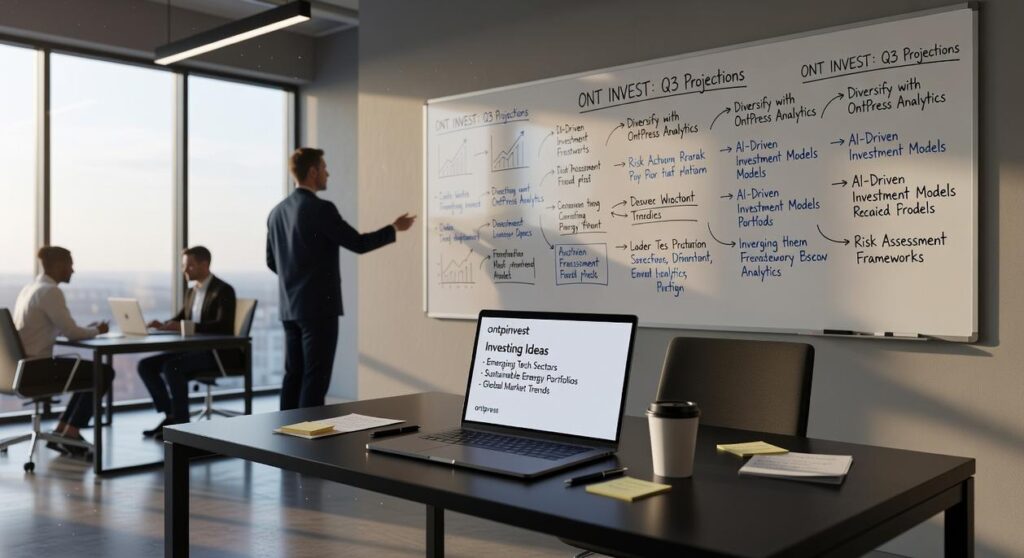
I’ve seen too many investors lose money chasing ideas they found in the wrong places.
You’re drowning in investment content. Reddit threads, Twitter gurus, YouTube channels screaming about the next big thing. And you’re trying to figure out which ones are worth your time.
Most of it is garbage.
Here’s the truth: finding good ontpinvest investing ideas from ontpress isn’t about consuming more content. It’s about having a system to separate signal from noise.
I built a framework that cuts through the hype. It’s the same process I use to vet every opportunity that crosses my desk.
This article shows you how to identify sources worth following and how to evaluate any investment idea before you put money behind it. You’ll get a checklist you can use every single time.
No guessing. No hoping you picked the right guru to follow.
We focus on repeatable processes that work across market conditions. That’s what separates investors who build wealth from those who chase returns.
You’ll learn where to look for quality ideas and how to spot the red flags that most people miss.
What Defines a ‘Reputable’ Investment Source?
Here’s what most people get wrong about investment sources.
They think a big name equals good advice. That millions of followers means someone knows what they’re doing.
I’ve seen it play out differently.
Some of the most popular voices in investing? They’re just louder than everyone else. That doesn’t make them right.
So what actually makes a source worth your time?
Let me break it down.
Data beats opinions every single time.
When I read analysis, I look for numbers. Financial statements. Economic data. Real metrics that you can verify yourself.
If someone’s telling you to buy something based on “gut feeling” or “market vibes,” you’re reading opinion dressed up as analysis. And opinions don’t protect your money when things go south.
The best sources show you how they reached their conclusions. They walk you through the methodology. They explain their assumptions.
(You can follow the same process and see if you get the same results.)
Here’s the part that separates amateurs from pros.
Risk discussion.
Every investment has downsides. Every single one. If someone’s pitching you an opportunity without mentioning what could go wrong, they’re either lying or they don’t know what they’re doing.
I learned this the hard way back in Gibson City when I first started. Chased a “sure thing” that didn’t mention the regulatory risks. Cost me three months of gains.
Now? I won’t touch anything unless I understand the downside first.
Track record matters too, but not how you think. I don’t care if someone called the last market top. What I care about is whether their approach stays consistent. Do they stick to their methodology or do they change their story every quarter?
You’ll find solid ontpinvest investing ideas from ontpress when you know what to look for.
The benefit here is simple. Once you know these markers, you stop wasting time on garbage sources. You protect yourself from bad calls. And you start building a filter that actually works.
Tier 1 Sources: Going Straight to the Source Code of Business
Most investors start in the wrong place.
They read headlines. They watch financial TV. They scroll through Reddit threads hoping someone else did the homework.
Here’s what I learned the hard way. If you want to beat the market, you need to go where most people won’t.
Straight to the source documents.
I’m talking about SEC filings. Earnings transcripts. The stuff that makes your eyes glaze over after page three.
Some people say this is overkill. They argue that summary articles and analyst reports give you everything you need without the headache. Why waste hours reading dense financial documents when someone else already broke it down?
Fair point.
But here’s what they’re missing. Those summaries? They’re filtered through someone else’s bias. Someone else’s agenda. Someone who might be selling you something or just didn’t catch what matters to your specific strategy.
When I read a 10-K myself, I find things that never make it into the headlines. Risk factors buried on page 47. Management’s careful wording about market conditions. The stuff that tells you what’s really happening.
SEC filings are your foundation. The 10-K gives you the annual picture. The 10-Q shows you quarterly movement. Both come straight from the company with legal consequences if they lie.
I start with the risk factors section. Always. Management has to disclose what keeps them up at night, and that’s gold for ontpinvest decisions.
Then I move to earnings call transcripts.
This is where you hear management’s tone. You catch the questions that make executives uncomfortable. You notice when analysts push back on guidance or ask about things the company didn’t want to discuss.
Pro tip: Pay attention to what management doesn’t answer directly. Those dodges tell you more than the prepared remarks ever will.
Investor presentations give you the polished version. They’re shorter and easier to digest. But they also show you what the company wants you to focus on, which reveals their strategic priorities.
Most retail investors never touch these documents. They think it’s too complicated or too time-consuming.
That’s your advantage right there.
Tier 2 Sources: Curated Insights from Professional Analysts

Primary data tells you what happened.
But it doesn’t always tell you why it matters.
That’s where professional analysts come in. They spend their days connecting dots between earnings reports, regulatory filings, and market movements. The good ones spot patterns you’d miss on your own.
Now, some investors will tell you that analyst reports are worthless. They’ll point to all the times experts got it wrong (and there are plenty). They say you should only trust raw data and make your own calls.
I hear that argument a lot.
But here’s what I’ve learned. Skipping expert analysis entirely means you’re working twice as hard to reach conclusions that someone else already figured out. You’re also missing context that takes years to build.
The trick is knowing which sources actually add value.
Established financial journalism matters more than most people think. The Wall Street Journal and Financial Times don’t just report news. They have access to CEOs and policymakers that we don’t. Bloomberg terminals cost over $20,000 a year because the data and analysis are that good.
These publications give you the macro view. They show you how central bank decisions or trade policies might affect your holdings.
Specialized research platforms go deeper. They build financial models and aggregate data in ways that save you hundreds of hours. If you’re wondering what investment can I do with 1000 ontpinvest, these platforms help you compare options with actual numbers behind them.
They’re not perfect. But they give you a starting point that’s better than guessing.
Independent research firms focus on specific sectors. A boutique firm covering biotech knows things about drug pipelines that generalist analysts miss. Same goes for energy or tech specialists.
These firms often take contrarian positions. That’s useful when everyone else is saying the same thing.
Here’s how I actually use these sources.
I read them to generate ideas and challenge my thinking. When an analyst makes a claim about a company’s growth prospects, I don’t just accept it. I go verify it against the primary documents we talked about earlier.
Think of tier 2 sources as your research assistant. They point you toward opportunities and risks you might have overlooked. Then you do the work to confirm whether they’re right.
The worst thing you can do is treat analyst reports like gospel. The best thing you can do is use them to ask better questions about your own portfolio.
Your Actionable Vetting Checklist: 5 Questions to Ask Before Investing
You’ve got an investment idea.
Maybe a friend mentioned it. Or you saw it on social media. Or some newsletter made it sound like the opportunity of the decade.
Now what?
Most people either jump in without thinking or get paralyzed trying to analyze every possible angle. Neither works.
What you need is a simple filter. Something that takes five minutes but saves you from costly mistakes.
Here’s my prediction. In the next few years, we’re going to see even more investment ideas flooding your feed. AI-generated content, influencer pitches, automated trading signals. The noise will only get louder.
The investors who win won’t be the ones with the most information. They’ll be the ones who can cut through it fast.
That’s where this checklist comes in.
Question 1: What is the core investment thesis in one sentence?
If you can’t say it simply, you don’t understand it well enough. Period.
Question 2: Is this thesis supported by data from primary sources?
I’m talking about 10-K reports. Actual financial statements. Not some blog post or YouTube video.
Question 3: What are the top 3 risks that could invalidate this thesis?
Every investment has risks. If someone won’t talk about them, that’s your first red flag.
Question 4: What is the incentive of the person or platform presenting this idea?
Are they selling subscriptions? Running ads? Holding a position they want to pump? You need to know.
Question 5: Does this investment align with my personal financial goals and risk tolerance?
This is where money management ontpinvest principles really matter. A great investment for someone else might be terrible for you.
Run every idea through these five questions. Takes less time than scrolling social media but protects your capital way better.
Become a Discerning Investor, Not a Follower
You’re drowning in investment advice.
Every podcast, newsletter, and social media guru has the next big thing. The noise never stops and you’re left wondering who to trust.
I get it. You want to make smart decisions but the sheer volume of information makes that nearly impossible.
Here’s the truth: most investors follow the crowd. They chase headlines and react to hype. That’s not investing. That’s guessing.
You came here to break that cycle. You wanted a real framework for finding ontpinvest investing ideas from ontpress that actually hold up under scrutiny.
Now you have it.
Stop relying on secondhand opinions. Go straight to primary documents. Read the actual filings and reports. Ask the hard questions before you commit your money.
The five-question checklist I’ve shown you separates signal from noise. It’s simple but most people won’t do the work.
That’s your advantage.
Put It to Work
Take one investment idea you’ve been considering. Run it through the checklist right now.
Who’s behind it? What’s their track record? Where’s the actual data? Why does this opportunity exist? How does it fit your goals?
Answer those questions honestly. The clarity will hit you immediately.
You’ll know within minutes whether this idea deserves more research or belongs in the trash. That’s the difference between following and thinking for yourself. Homepage.