
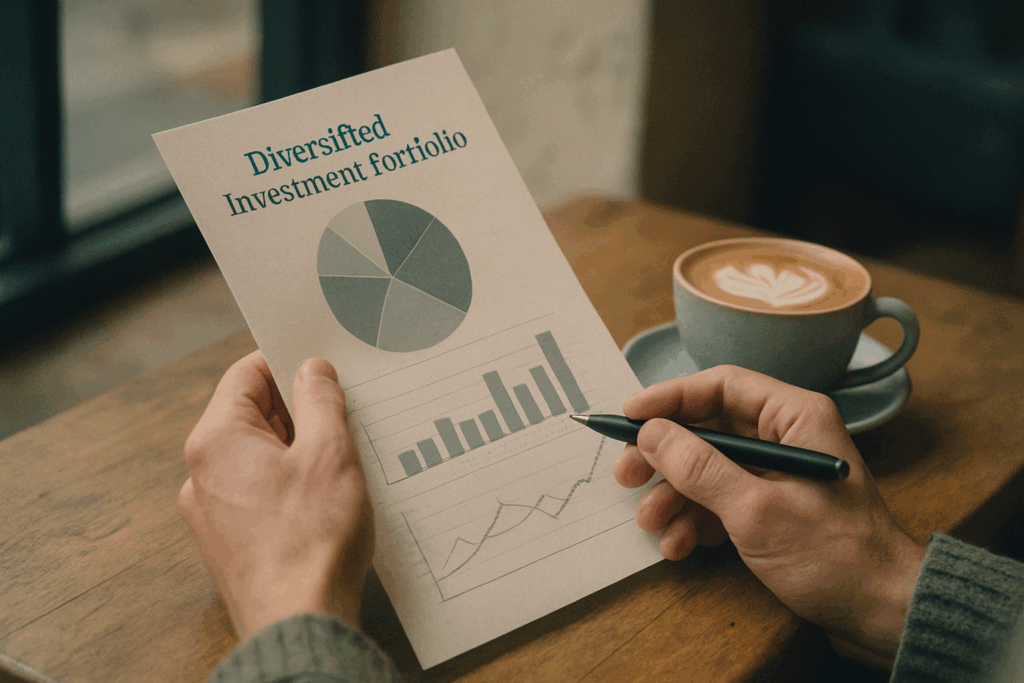
Understanding Asset Allocation in 2026
Asset allocation is the blueprint of your investment portfolio. It’s how you decide what percentage of your money goes into categories like stocks, bonds, cash, real estate, or alternative assets. Each class has a different risk return profile, and mixing them strategically helps cushion the blow when markets turn south.
A common mistake is thinking allocation is only about chasing returns. It’s not. At its core, asset allocation is a defense strategy. When volatility hits and it will the way your investments are spread can be the difference between weathering the storm or taking a permanent hit.
Preserving wealth isn’t flashy. It’s about playing the long game, guided by planning, patience, and cold, hard data. Rebalancing your portfolio as life changes and markets shift isn’t optional it’s how you stay in the game. In 2026, with uncertainty still baked into the global economy, the steady hand wins.
The Role of Risk in Wealth Preservation
Wealth preservation starts with understanding risk not avoiding it, but measuring it with clear eyes. Different asset classes behave in different ways. Stocks can deliver strong growth, but they swing. Bonds add stability but might lag in inflationary periods. Real estate offers tangible value, but it’s illiquid and tied to local markets. Then there are alternatives: they can protect in a downturn or sink quietly.
None of these are inherently good or bad. The key is knowing your personal risk tolerance. If you can’t sleep during a market drop, that’s your portfolio telling you it’s out of sync with your nerves. Asset allocation is how you get that alignment. Spreading investment across diverse risk classes smooths the ride but keeps you exposed to growth over time.
The trap? Putting too much into one bet. A portfolio overloaded with tech because it’s hot can crumble if a sector corrects. Real estate heavyweights felt this in 2008. Concentration creates exposure. Diversification cushions it. Preservation lives in the balance.
Diversification: Your Wealth’s Safety Net
Diversification isn’t sexy, but it works. The goal is simple: don’t let all your eggs sit in one basket especially not one riding a rollercoaster. When you spread your investments across non correlated assets like stocks, bonds, real estate, and cash, you soften the blow when one sector nosedives. It’s not about predicting which asset class will shine next. It’s about hedging your bets so one poor performance doesn’t sink the whole ship.
In 2026, global diversification matters more than ever. Markets are increasingly interwoven, but they don’t move in sync. U.S. tech may face headwinds while emerging markets rally. A bond slump in Europe might be offset by gains in commodity rich regions. Tapping into international exposure isn’t just smart it’s strategic.
Still, diversification isn’t a set it and forget it move. Annual rebalancing is where discipline meets defense. A well performing asset might balloon beyond its ideal weight in your portfolio. Rebalancing reins it in, restoring your allocation back to its intended shape. It’s not flashy, but it’s how pros protect gains and prep for what’s next.
Life Stages and Allocation Adjustments

Asset allocation is not a one size fits all strategy it evolves as your financial goals, risk tolerance, and time horizon shift. Understanding how to pivot your allocation approach as you progress through different life stages is essential for long term wealth preservation.
In Your 30s 40s: Growth with an Eye on Stability
During your early to mid career years, the focus is typically on growth. However, inflation, market volatility, and life milestones like home purchases or starting a family begin to introduce the need for some preservation.
Key allocation considerations:
Emphasize equities for long term capital appreciation
Introduce bonds or stable alternatives for balance and liquidity
Begin building emergency savings and consider insurance backed products for added protection
Start retirement contributions early to leverage the power of compounding
In Your 50s 60s: Shift Toward Income and Capital Protection
As retirement approaches, preserving capital becomes more important, though a degree of growth is still necessary to outpace inflation and support a longer lifespan.
Key allocation considerations:
Increase allocation to fixed income, such as bonds and dividend paying stocks
Reduce exposure to high volatility investments
Consider annuities or structured notes for predictable income
Rebalance regularly to maintain your target risk level and income goals
Post Retirement: Protect and Sustain
The focus post retirement shifts to withdrawing assets responsibly while keeping the portfolio working. It’s a balance between minimizing drawdowns and generating income.
Key allocation considerations:
Maintain a conservative allocation, favoring income producing assets
Plan for required minimum distributions (RMDs) from tax deferred accounts
Consider cash flow strategies, such as the bucket approach or time segmentation
Continue monitoring and adjusting, with particular attention to healthcare costs, inflation, and legacy planning
Tax Efficient Allocation Matters
You can’t control the markets, but you can control how much of your return gets eaten up by taxes. One of the smarter moves in asset allocation is placing the right investments in the right types of accounts. Taxable accounts are best for tax efficient assets like index funds or municipal bonds. Meanwhile, high turnover funds or income generating assets typically belong in tax deferred (like traditional IRAs) or tax exempt accounts (like Roth IRAs), where you won’t get slammed annually with a bill.
Then there’s the strategy layer: harvesting losses in a taxable account lets you offset gains and reduce what you owe for the year. Similarly, deferring gains by holding investments long term or timing sales can keep your tax bill lean and manageable. This isn’t cutting corners; it’s playing the game with your eyes open.
For a deeper dive on keeping more of what you earn, check out Tax Efficient Investing: Keeping More of What You Earn.
2026 Trends Influencing Allocation Strategies
As the global financial landscape continues to shift, asset allocation strategies in 2026 must evolve to reflect new pressures and opportunities. From central bank activity to emerging markets and digital innovations, these key trends are driving strategic adjustments for wealth preservation.
Rising Interest Rates and Fixed Income Yields
Interest rates have risen significantly, and this has important implications for fixed income investments:
Improved yields: Bonds, especially short to intermediate term, are offering better returns than in previous years.
Duration sensitivity: Investors must carefully manage bond durations to avoid price losses from further rate hikes.
Opportunities in laddering: Staggering bond maturity dates can help balance reinvestment risk and income stability.
Adjusting fixed income allocations based on current rate environments is vital to maintaining both income and capital stability.
Geographic and Sector Rotation Amid Inflation Pressures
Inflation is not only varying by country it’s reshaping which sectors and regions are poised for growth. Strategic rotation matters more than ever:
Emerging markets may benefit from strong commodity demand and favorable demographic trends.
Defensive sectors like healthcare, utilities, and consumer staples can provide resilience when inflation bites into discretionary spending.
Technology and energy remain volatile but can serve as growth engines if used selectively based on macroeconomic indicators.
A flexible geographic and sector allocation approach can help reduce exposure to localized economic risk.
Digital Assets and Alternatives for Diversification
Alternative investments are gaining traction as investors seek returns uncorrelated with traditional markets. However, this shift requires caution and due diligence:
Digital assets like Bitcoin and Ethereum are increasingly used for diversification but remain highly volatile.
Private equity, hedge funds, and REITs offer opportunities for non market correlated returns and passive income streams.
Commodities, especially gold and industrial metals, play a dual role: inflation hedging and diversification.
Diversification through alternatives should complement not replace your core allocation. Risk management and transparency are critical when incorporating these assets into a long term wealth strategy.
Final Word
Preserving wealth isn’t about building a bunker around your money it’s about learning to weather storms without losing your footing. Risk is part of the deal. The goal isn’t to avoid it, but to shape it into something manageable. That means understanding what you own, why it’s in your portfolio, and how it reacts when things move because things always move.
In 2026, markets won’t stand still. Economies shift. Policies adapt. Your life changes, too. Smart asset allocation isn’t a one time thing it evolves. It aligns with your financial goals, career stage, and risk tolerance. It might mean dialing down exposure in areas that once made sense, or leaning into new opportunities with clarity, not hype.
The investors who stay steady are the ones who make thoughtful adjustments, not knee jerk reactions. They use data. They reassess. They stay diversified. Whether it’s inflation, geopolitical shocks, or digital asset volatility, the right strategy keeps your portfolio from cracking under pressure.
In short: resilience beats reaction. And a well built allocation is your first, best defense.