

Breaking Down the Basics
A bull market is one where prices are rising, optimism is high, and investors have confidence in the future. Typically, a bull market is marked by a 20% or more increase in stock prices from recent lows and the tone is upbeat. Think economic expansion, positive earnings reports, and a general willingness to take on risk. On the other hand, a bear market kicks in when prices drop 20% or more from recent highs, usually triggered by economic slowdowns, rising interest rates, or some kind of shock. Fear and caution take over, and investors go defensive.
Every market cycles through four basic phases accumulation, markup, distribution, and markdown. Accumulation happens after a market bottom, when smart money starts quietly getting in. Markup follows as confidence grows and more investors pile in. Then comes distribution, the stage where seasoned players start offloading shares while headlines are still glowing. Finally, markdown: prices drop, enthusiasm fades, and the cycle resets.
Historically, bull markets have lasted longer and delivered stronger returns than bear markets have erased. According to long term data from U.S. markets, bull runs stretch on average for about 6 7 years, boasting annual returns between 15 20%. Bear markets, while sharper, usually span 12 18 months with average declines around 30 35%. For investors, knowing these phases is less about timing tops and bottoms and more about recognizing the rhythm of the market.
Bull Market Traits
Bull markets don’t happen by accident they’re the product of rising confidence and wider economic momentum. When investors feel optimistic, cash starts flowing into stocks, pushing prices higher and feeding the cycle. That optimism usually stems from real economic strength: solid GDP growth, clear government policy, favorable business conditions.
Corporate earnings also expand during bull cycles. Companies report stronger profits, beat forecasts, and invest in growth. For stockholders, this translates to better valuations and solid dividend outlooks. Job markets tighten up too unemployment drops, wages climb, and people spend more. The result? More consumer activity boosting revenue across industries.
Certain sectors thrive in this environment. Tech stocks tend to outperform investors chase innovation and long term disruption. Cyclical industries like travel, construction, and retail also punch above their weight, performing well as demand rebounds. And small cap stocks move fast when money is cheap and risk appetite is high. Together, these pockets of strength help build the upward push of a classic bull market.
But like any run, it won’t last forever smart investors stay sharp even in good times.
Bear Market Traits
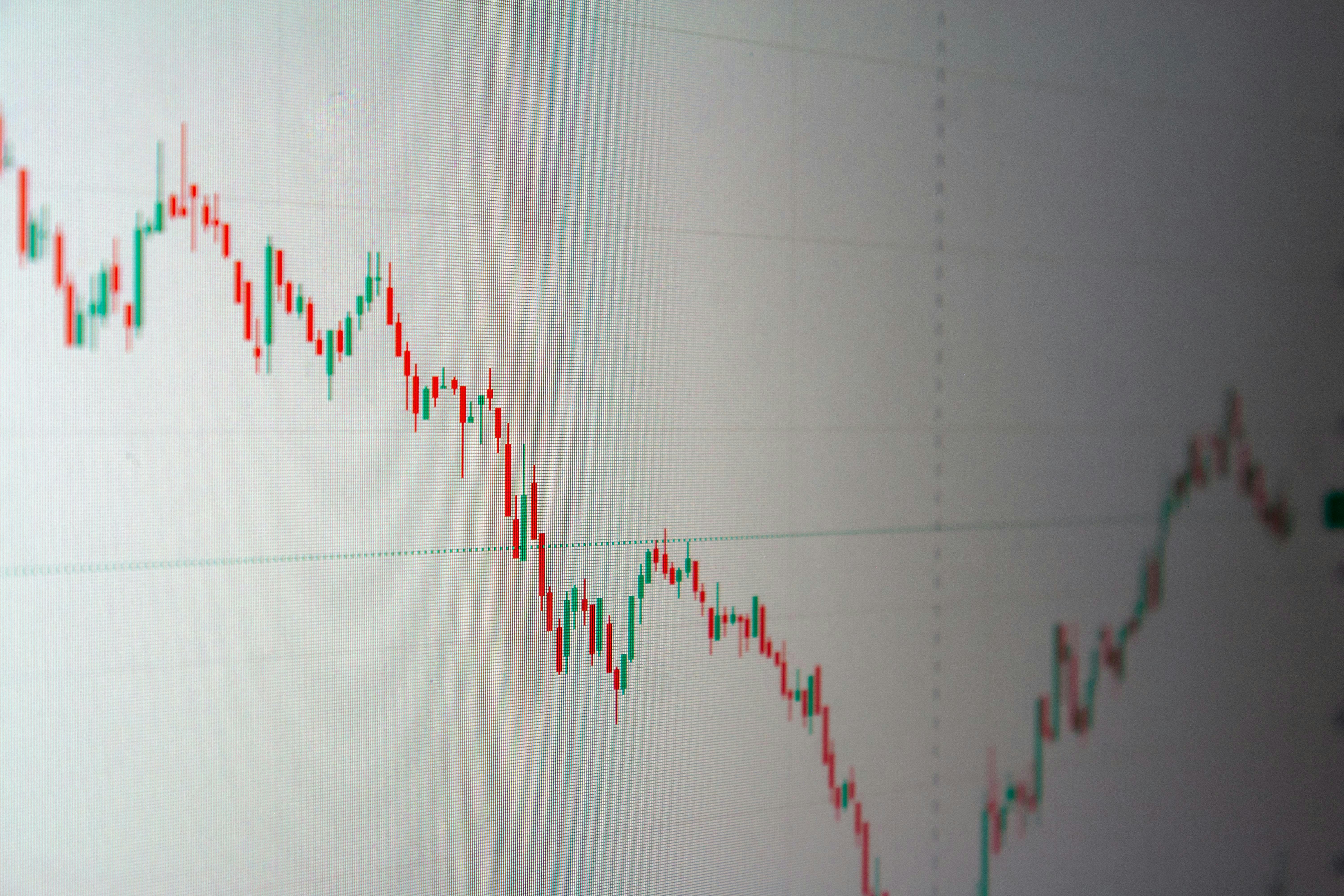
Bear markets are defined by sharp declines in investor confidence. When pessimism sets in and recession chatter ramps up, money flows get tighter. Reduced liquidity when there’s just less cash moving through the system makes it harder for stocks to bounce back. Once markets drop 20% or more from recent highs, we’re deep into bear territory.
Volatility becomes the norm. Wild swings in stock prices reflect nerves, not logic. Investors start pulling cash out of riskier assets and parking it in so called safe havens think Treasury bonds, gold, and cash heavy funds. On the equity side, attention shifts away from growth and toward stability.
Defensive sectors hold up best here. Utilities, healthcare, and consumer staples industries that sell what people need no matter the economy tend to outperform. These aren’t glamorous plays, but in a bear market, stability trumps excitement.
Understanding these traits helps long term investors stay calm and avoid knee jerk moves. The market always cycles. The key is knowing what part of the ride you’re in.
Strategic Moves in Each Market Type
Long term investors aren’t chasing headlines they’re playing the long game. Whether it’s a bull run or a bear slump, you’re more likely to find them making disciplined moves than dramatic ones. They stick to a plan, build positions steadily, and trust the cycle.
In a bull market, the temptation is to pour in aggressively. But seasoned investors often resist that urge. Instead, they look to rebalance. If tech stocks are on a tear and skewing the portfolio, they trim and redirect into underweighted areas. Dollar cost averaging investing the same amount on a regular schedule also matters here. It keeps you from buying too much just because the market’s rising.
Come a bear market, patience becomes even more critical. Fear selling is one of the most common mistakes. Prices drop and nerves spike, but long timers know it’s often the worst time to exit. Instead, they may continue with dollar cost averaging, picking up discounts if fundamentals remain strong. Rebalancing during downturns can also mean shifting into defensive sectors or holding a bit more cash but not overreacting.
The emotional traps are real. Greed can get you to buy high. Fear can convince you to sell low. Long term investors push back against both by staying grounded in strategy, not sentiment.
Where We Are in 2026
The global market climate in 2026 is tense, uncertain, but not without potential. Several overlapping macro forces are pulling investor sentiment in different directions. Inflation has cooled in some developed markets, thanks to tighter monetary policy in the last two years but it hasn’t disappeared. Central banks remain cautious. Interest rates are steady to slightly elevated, a posture meant to avoid reigniting price spikes without choking off growth entirely.
Geopolitics is the big wildcard. Regional tensions, supply chain recalibrations, and ongoing conflicts are making investors nervous, especially in energy markets and key commodities. The dollar remains strong, which hurts some export heavy economies and adds pressure on emerging markets with dollar denominated debt.
That said, not all is gloom. Several emerging markets in Asia and Latin America are showing real resilience benefiting from supply diversification trends and demographic tailwinds. Others, particularly those relying heavily on resource exports, are feeling the sting of volatile demand and uncertain pricing.
The bottom line? Market mood is fragile but functional. Investors are being cautious, but capital is still moving. The real focus now is on where growth can sustain and where risk is being underestimated.
For more on this, check out: Emerging Markets in 2026: Opportunities and Risks
The Takeaway
Investors looking to navigate the 2026 market landscape without getting whiplash should focus on what matters most: signals, not hype. Keep tabs on core indicators interest rate shifts, inflation trends, employment data, earnings revisions, and central bank rhetoric. These are your compass, not sensational headlines or social media sentiment swings.
Market timing sounds sexy but usually ends badly. Missing a handful of recovery days can gut long term returns. Instead, regularly checking in on macroeconomic data and sector strength gives you a grounded way to pivot when needed, without turning investing into a guessing game.
Use this moment to tighten your risk management plan. Make sure you’re not overexposed to one asset class or chasing high fliers with no cushion. Diversification isn’t exciting, but it works. Rebalance deliberately, stick to your goals, and avoid emotional decisions. This isn’t about beating the market it’s about staying in the game without losing your shirt.
 Mirelith Norcroft is the kind of writer who genuinely cannot publish something without checking it twice. Maybe three times. They came to financial planning resources through years of hands-on work rather than theory, which means the things they writes about — Financial Planning Resources, Expert Analysis, Investment Strategies and Insights, among other areas — are things they has actually tested, questioned, and revised opinions on more than once.
That shows in the work. Mirelith's pieces tend to go a level deeper than most. Not in a way that becomes unreadable, but in a way that makes you realize you'd been missing something important. They has a habit of finding the detail that everybody else glosses over and making it the center of the story — which sounds simple, but takes a rare combination of curiosity and patience to pull off consistently. The writing never feels rushed. It feels like someone who sat with the subject long enough to actually understand it.
Outside of specific topics, what Mirelith cares about most is whether the reader walks away with something useful. Not impressed. Not entertained. Useful. That's a harder bar to clear than it sounds, and they clears it more often than not — which is why readers tend to remember Mirelith's articles long after they've forgotten the headline.
Mirelith Norcroft is the kind of writer who genuinely cannot publish something without checking it twice. Maybe three times. They came to financial planning resources through years of hands-on work rather than theory, which means the things they writes about — Financial Planning Resources, Expert Analysis, Investment Strategies and Insights, among other areas — are things they has actually tested, questioned, and revised opinions on more than once.
That shows in the work. Mirelith's pieces tend to go a level deeper than most. Not in a way that becomes unreadable, but in a way that makes you realize you'd been missing something important. They has a habit of finding the detail that everybody else glosses over and making it the center of the story — which sounds simple, but takes a rare combination of curiosity and patience to pull off consistently. The writing never feels rushed. It feels like someone who sat with the subject long enough to actually understand it.
Outside of specific topics, what Mirelith cares about most is whether the reader walks away with something useful. Not impressed. Not entertained. Useful. That's a harder bar to clear than it sounds, and they clears it more often than not — which is why readers tend to remember Mirelith's articles long after they've forgotten the headline.