You’re tired of hearing “inflation is cooling” one day and “recession risk is rising” the next.
It’s exhausting. And it makes you second-guess every money decision.
I’ve watched people freeze up (canceling) 401(k) contributions, avoiding budgeting, or worse, chasing hot stocks because they think something has to change.
That stops here.
This isn’t another doom-scroll of economic headlines. It’s Financial Advice Ontpeconomy that actually applies to your paycheck, your rent, your student loans.
I don’t use jargon. I don’t pretend to predict markets. I show what moves your money (and) what doesn’t.
I’ve helped hundreds of people build simple rules that hold up whether rates go up or down.
You’ll walk away with a clear system. Not theory. Not hope.
A way to act.
No fluff. No forecasts. Just control.
What Your Grocery Bill Says About the Economy
Inflation is what happens when your weekly grocery bill climbs (not) because you bought more, but because every item costs more. It’s not a theory. It’s your cart at Safeway.
That means your dollar buys less. Plain and simple. Purchasing power shrinks whether you notice it or not.
Interest rates? That’s the Federal Reserve turning a dial. When they raise rates, your credit card APR jumps.
Your mortgage payment gets heavier. Car loans cost more. But here’s the upside: high-yield savings accounts actually pay you something again.
(Finally.)
GDP is just the total value of everything the U.S. makes and sells in a year. Unemployment is the share of people who want work but can’t find it. Together, they’re like a fever chart for the whole economy.
Not perfect, but hard to ignore.
What this means for you? Inflation eats your paycheck before you even cash it. Higher interest rates mean borrowing hurts (but) saving doesn’t have to.
A shrinking GDP or rising unemployment? That’s when layoffs get real and raises go quiet.
I check these numbers every month. Not because I love spreadsheets. But because they tell me when to tighten up, when to lock in a rate, and when to hold off on big moves.
You should too.
The Ontpeconomy page breaks down how each indicator moves your life. Not just the headlines.
It’s where I go before I refinance or shift my portfolio.
Financial Advice Ontpeconomy isn’t about predicting the future. It’s about reacting faster than everyone else. Because waiting for “clarity” means losing ground.
Your rent went up. Your gas tank costs $5 more. That’s not coincidence.
That’s data.
Pay attention. Or keep guessing. Your call.
Your Financial First-Aid Kit: Do This Before the Next Downturn
This isn’t optional. It’s your economic seatbelt.
I built mine the hard way. After a layoff and three credit card statements that made me sweat.
You need three things. Right now. Not next month.
Not when you “feel ready.”
Step 1: Fortify Your Emergency Fund
Three to six months of important expenses. Not your full lifestyle. Rent.
Groceries. Insurance. Phone.
Gas. That’s it.
If you’re living paycheck to paycheck, start with $500. Then $1,000. Then keep going.
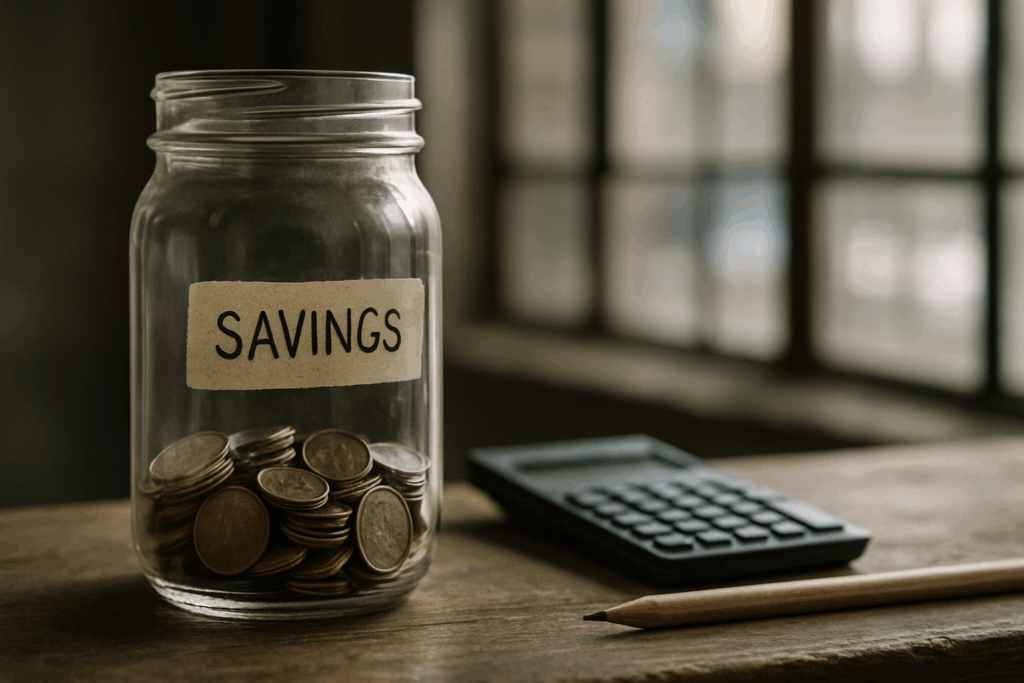
I kept mine in a high-yield savings account. No fees, no temptation to swipe. It paid for my dentist visit last year.
No loan. No panic.
Step 2: Attack High-Interest Debt
Credit cards are landmines when rates jump. The Fed raises? Your APR climbs (often) overnight.
I dumped $8,200 in card debt using the avalanche method. Highest rate first. Felt brutal at first.
Then addictive.
You don’t need motivation. You need math. Run the numbers.
See how much interest you’re bleeding.
Step 3: Conduct a ‘Recession-Proof’ Budget Review
This isn’t about eating rice every night. It’s about control.
List every expense. Circle what keeps you safe and employed. Cross out the rest.
Or at least pause it.
I cut two subscriptions, delayed a laptop upgrade, and stopped buying lunch out. Saved $380/month. That’s real money.
Emergency fund is your anchor. Without it, everything else wobbles.
You’re not preparing for disaster. You’re refusing to be collateral damage.
For more actionable moves, check out Financial Tips.
Most people wait until they’re stressed to act.
Don’t be most people.
Start today.
Not tomorrow. Not Monday. Now.
Smart Money Moves: Not Panic, Just Plan

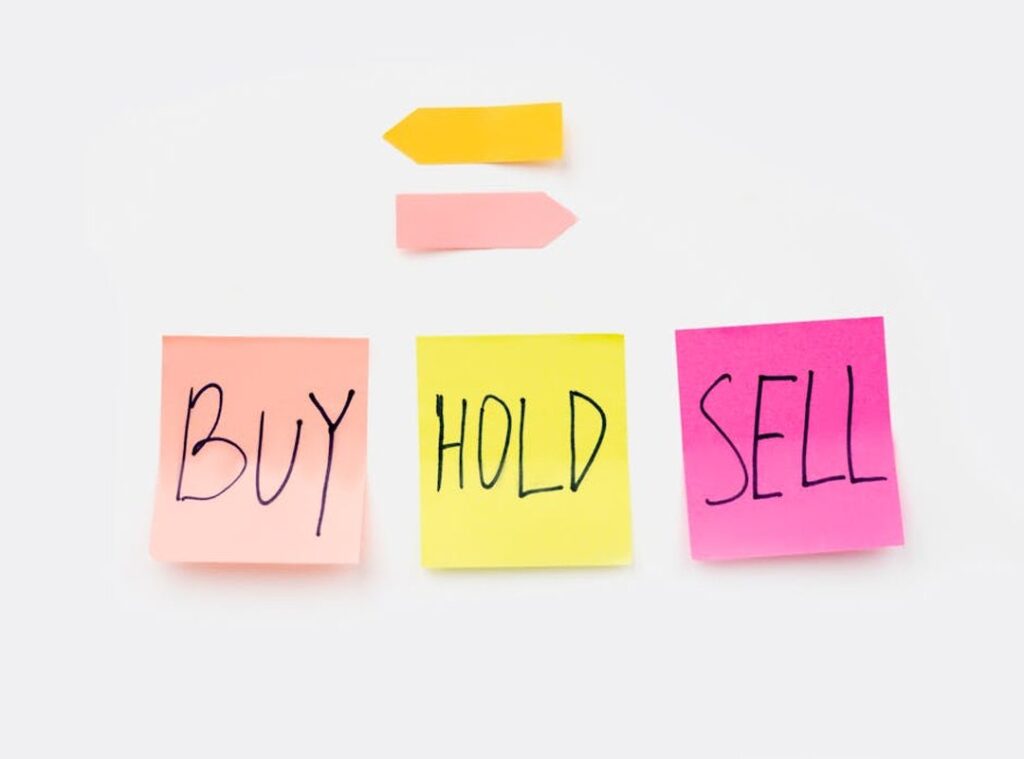
I’ve sold stocks in a panic. Twice. Both times I lost money.
Both times I swore I’d never do it again.
Market volatility is the price of admission for long-term returns. That’s not a quote from some guru. It’s just math.
And history.
You think you’ll time the bottom? Good luck. Even pros get it wrong.
Most people sell low and buy high because they feel scared. Not because their plan changed.
Time in the market beats timing the market. Every single time. Not sometimes.
Every time.
Dollar-Cost Averaging is how you actually do that. You invest the same amount each month. No drama.
No headlines. Just consistency.
When prices drop, your fixed dollar buys more shares. When prices rise, it buys fewer. You average out the noise.
You stop reacting.
This isn’t exciting. It’s boring. And boring works.
Inflation eats cash. Fast. A dollar today buys less next year.
Less the year after.
I-Bonds and TIPS are government-backed tools built to fight that. They adjust with inflation. They’re not sexy.
But they’re safe harbor for part of your cash.
Don’t put all your money there. Don’t ignore them either.
Growing wealth isn’t just about investing. It’s about income.
Ask for an inflation-adjusted raise. If your boss says no, ask why. Then build a skill that pays more.
I taught myself basic SQL in 2021. Took three months. Landed a $12k bump in salary.
A side hustle doesn’t need to be “passion project” nonsense. Rent out a spare room. Flip used gear.
Tutor high school math. Start small. Get paid.
You don’t need perfect conditions. You need action.
Financial Guidance covers this stuff in plain language. No jargon, no fluff, just what works now.
Stop waiting for the “right time.”
It doesn’t exist.
Start where you are.
You’re Not Powerless
Economic uncertainty hits hard. It makes your stomach drop. Makes you scroll the news and wonder what’s next.
I’ve been there. Staring at bills. Second-guessing every purchase.
Feeling like the ground shifts under me every time the Fed speaks.
But here’s what I know: Financial Advice Ontpeconomy isn’t about predicting the market. It’s about building something steady (you.)
Your budget. Your debt payoff plan. Your first real savings buffer.
These aren’t “nice-to-haves.” They’re your use.
You don’t need perfect conditions to start. You need one clear action. Right now.
So pick one thing from the Financial First-Aid Kit. Just one. Open that credit card app and set up autopay.
Call your lender and ask about lower rates. Transfer $25 to savings (today.)
Do it within 48 hours. Not “someday.” Not “when things settle.” Now.
Small steps compound. Fast. They silence the noise.
They build real control.
You already have what it takes. You just need to use it. Once.
Then again. Then again.
Go do that one thing.
Then come back and do the next.
 Andreas Worthingtonester has opinions about market trends and analysis. Informed ones, backed by real experience — but opinions nonetheless, and they doesn't try to disguise them as neutral observation. They thinks a lot of what gets written about Market Trends and Analysis, Expert Analysis, Personal Finance Tips is either too cautious to be useful or too confident to be credible, and they's work tends to sit deliberately in the space between those two failure modes.
Reading Andreas's pieces, you get the sense of someone who has thought about this stuff seriously and arrived at actual conclusions — not just collected a range of perspectives and declined to pick one. That can be uncomfortable when they lands on something you disagree with. It's also why the writing is worth engaging with. Andreas isn't interested in telling people what they want to hear. They is interested in telling them what they actually thinks, with enough reasoning behind it that you can push back if you want to. That kind of intellectual honesty is rarer than it should be.
What Andreas is best at is the moment when a familiar topic reveals something unexpected — when the conventional wisdom turns out to be slightly off, or when a small shift in framing changes everything. They finds those moments consistently, which is why they's work tends to generate real discussion rather than just passive agreement.
Andreas Worthingtonester has opinions about market trends and analysis. Informed ones, backed by real experience — but opinions nonetheless, and they doesn't try to disguise them as neutral observation. They thinks a lot of what gets written about Market Trends and Analysis, Expert Analysis, Personal Finance Tips is either too cautious to be useful or too confident to be credible, and they's work tends to sit deliberately in the space between those two failure modes.
Reading Andreas's pieces, you get the sense of someone who has thought about this stuff seriously and arrived at actual conclusions — not just collected a range of perspectives and declined to pick one. That can be uncomfortable when they lands on something you disagree with. It's also why the writing is worth engaging with. Andreas isn't interested in telling people what they want to hear. They is interested in telling them what they actually thinks, with enough reasoning behind it that you can push back if you want to. That kind of intellectual honesty is rarer than it should be.
What Andreas is best at is the moment when a familiar topic reveals something unexpected — when the conventional wisdom turns out to be slightly off, or when a small shift in framing changes everything. They finds those moments consistently, which is why they's work tends to generate real discussion rather than just passive agreement.