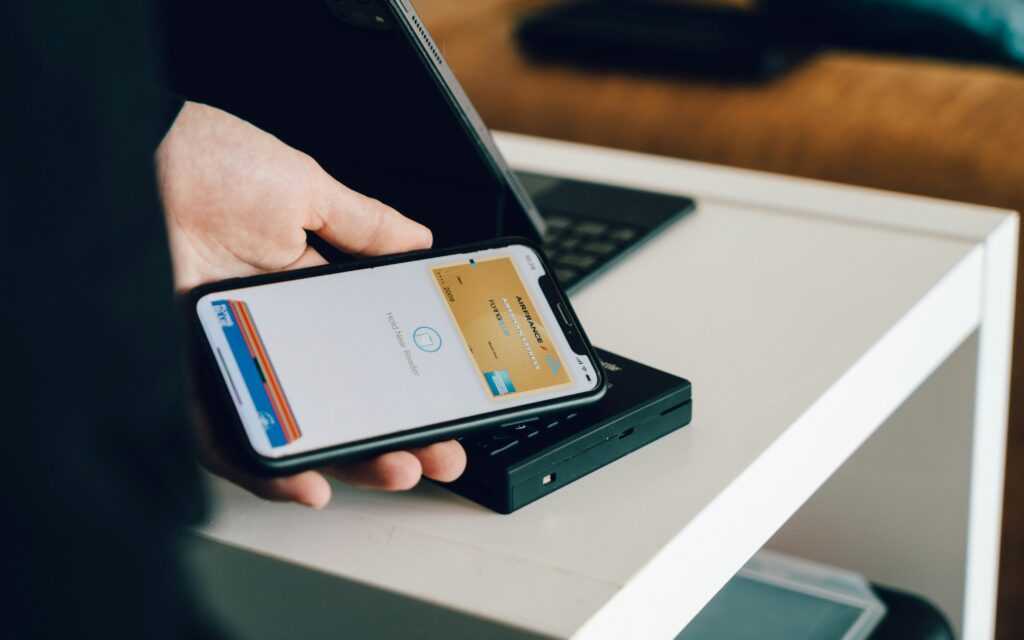
In the past, making payments involved using cash or a payment card. Credit cards reduced the friction of spending compared to cash. With a digital wallet, you can now make payments by simply tapping your phone or watch and continue your day without withdrawing cash or credit cards from your wallet. This convenience, however, is causing people to change their perceptions of both money and spending.
What’s a Digital Wallet?
A digital wallet is an app that stores all your payment information securely on your phone or device. With a quick tap or scan, you can purchase groceries, coffee, and items online, and in some cities, you can even use digital wallets for public transportation.
They’re popular because they’re:
- Fast and easy to use.
- More secure than cash payments.
- Accepted at lots of stores and websites.
For busy people, it seems like a little victory each time you don’t have to deal with the hassle of the checkout line.
The Downside of Fast and Easy Payments
Even though digital wallets can help you save time, they can also make it easier to overspend. Some of this happens because we don’t always register how much we’re spending since transactions happen so quickly with these tools.
Small purchases can add up quickly, whether it’s a coffee here and a snack there or the occasional online purchase. These can lead to big totals at the end of each month.
Common effects of using digital wallets are:
- Purchasing items without first thinking about them.
- Not tracking daily expenditures.
- Becoming surprised about your bank statements later on as a result of having overspent.
This doesn’t mean this payment method is bad; it just means that removing friction has made it easy to make a purchase without thinking.
Why It’s So Satisfying to Tap to Pay
Tapping to pay through a device has become more enjoyable than fumbling through a real wallet for physical cash or waiting for a card transaction to take place. The quick and smooth process makes paying feel effortless, which is why many people prefer using digital wallets instead of traditional payment methods.
This method of payment has eliminated the pause that used to happen when paying with cash or swiping a card, when there was usually time to think about how much you were about to spend. With digital wallets, transactions happen instantly, and that moment of thought is almost gone.
Because digital wallet payments feel easier, less stressful, and almost effortless, many people tend to use their digital wallets more often when making purchases.
Safety When Paying Digitally
Most digital wallets offer security features like facial recognition, fingerprint scanning, and data encryption, but they also introduce new vulnerabilities. Overall protection depends on how each individual manages their devices.
Make sure digital wallet transactions use encryption and tokenization to protect your payment data.
It’s essential to be aware of your digital surroundings while shopping online. Many people use tools like VPNs to protect and encrypt their connections when making digital payments, particularly when they’re using a public Wi-Fi network. The goal, apart from overspending, is to protect your personal information.
How to Manage One-Tap Spending
If you like the convenience of one-tap spending but are concerned about the ease of overspending, here are some easy tips to help you manage it:
- Set up monthly spending limits in your banking app.
- Turn on notifications for every transaction you make.
- Review your transactions at least once each week.
- When you go to use your wallet, pause and ask yourself if you need to spend the money to buy that item.
By simply adding a tiny amount of time to think about the item you’re considering purchasing, in many cases, you’ll make a better decision.
Final Thoughts
One-tap spending has made life easier and faster by removing much of the stress from everyday payments. However, this convenience can also lead to spending without enough thought. By staying mindful of purchases, regularly checking finances, and building good habits, people can enjoy the benefits of these tools without the downsides. In the end, digital wallets are a tool, and how we use them determines their impact.
 Mirelith Norcroft is the kind of writer who genuinely cannot publish something without checking it twice. Maybe three times. They came to financial planning resources through years of hands-on work rather than theory, which means the things they writes about — Financial Planning Resources, Expert Analysis, Investment Strategies and Insights, among other areas — are things they has actually tested, questioned, and revised opinions on more than once.
That shows in the work. Mirelith's pieces tend to go a level deeper than most. Not in a way that becomes unreadable, but in a way that makes you realize you'd been missing something important. They has a habit of finding the detail that everybody else glosses over and making it the center of the story — which sounds simple, but takes a rare combination of curiosity and patience to pull off consistently. The writing never feels rushed. It feels like someone who sat with the subject long enough to actually understand it.
Outside of specific topics, what Mirelith cares about most is whether the reader walks away with something useful. Not impressed. Not entertained. Useful. That's a harder bar to clear than it sounds, and they clears it more often than not — which is why readers tend to remember Mirelith's articles long after they've forgotten the headline.
Mirelith Norcroft is the kind of writer who genuinely cannot publish something without checking it twice. Maybe three times. They came to financial planning resources through years of hands-on work rather than theory, which means the things they writes about — Financial Planning Resources, Expert Analysis, Investment Strategies and Insights, among other areas — are things they has actually tested, questioned, and revised opinions on more than once.
That shows in the work. Mirelith's pieces tend to go a level deeper than most. Not in a way that becomes unreadable, but in a way that makes you realize you'd been missing something important. They has a habit of finding the detail that everybody else glosses over and making it the center of the story — which sounds simple, but takes a rare combination of curiosity and patience to pull off consistently. The writing never feels rushed. It feels like someone who sat with the subject long enough to actually understand it.
Outside of specific topics, what Mirelith cares about most is whether the reader walks away with something useful. Not impressed. Not entertained. Useful. That's a harder bar to clear than it sounds, and they clears it more often than not — which is why readers tend to remember Mirelith's articles long after they've forgotten the headline.